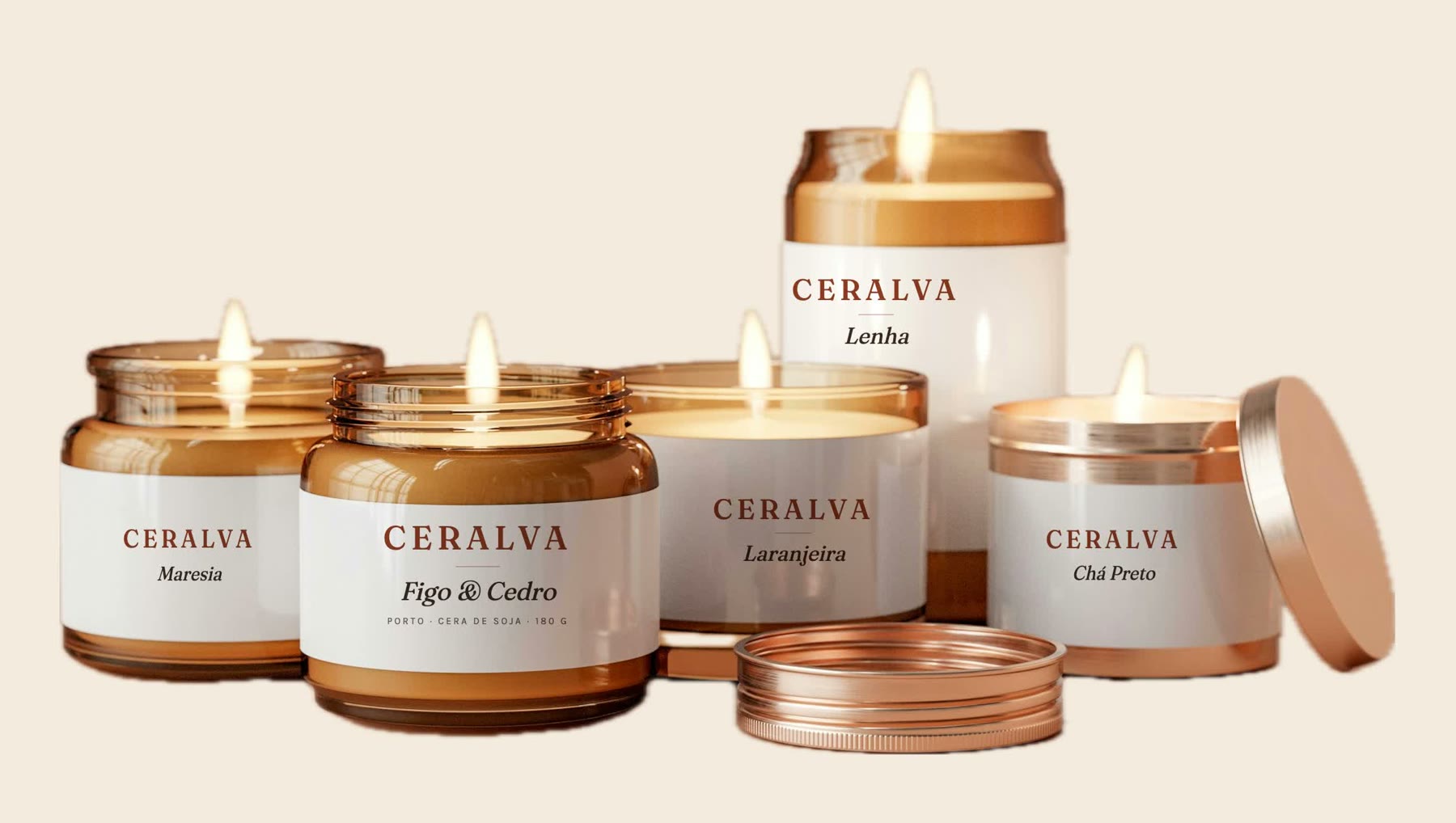
A brand book is a single document that shows how a brand looks and sounds: its logo, colors, fonts, voice and the way they come together. Anyone who makes something for the brand opens it first, so a flyer, a website and an Instagram post all feel like they came from the same place.
You'll also hear it called brand guidelines, a brand guide or a brand style guide. The names overlap a lot, and most people use them interchangeably. We cover the small differences in brand book vs style guide.
What a brand book is for
A brand only exists in the things people see: the sign on the door, the email in their inbox, the box on their doorstep. When different people make those things from memory, small changes creep in. The red gets a little more orange. Someone stretches the logo to fit a banner. A new hire writes the website in a voice that sounds like a bank.
A brand book stops that drift. It gives everyone the same answers:
- Which logo file do I use here? The book shows each version and when to use it.
- What exactly is our green? The book gives the codes for screens and for print.
- Which font goes in headings? The book names it and shows the sizes.
- How do we talk? The book shows real lines, and lines to avoid.
It's also a handover tool. Freelancers and agencies send one to every client at the end of a project, so the client can keep the brand consistent without calling them for every small job.
What goes in a brand book
Most brand books cover the same core parts. The order changes, but you'll almost always find:
- Logo. The main version, alternative versions (icon only, one color, on dark backgrounds), clear space around it and the mistakes to avoid.
- Colors. Each color with its role (main, accent, background, text) and its codes in HEX, RGB and CMYK.
- Typography. The heading and body fonts, plus a size scale so headings and paragraphs stay consistent.
- Voice. How the brand writes, ideally shown with real sentences rather than adjectives.
- Imagery. Photo style, product shots, illustrations or patterns.
- Examples in use. The website, social posts, packaging or signage, so people see the rules applied.
We go through each part in detail, with a checklist, in what to include in brand guidelines.
A real example
Here's the brand book for Ceralva, a small soy candle maker from Porto. It's one of our example brands. Open it and click through: logo, colors, type, voice, product photos and the ready-to-use pieces like a business card and email signature.
A few things worth noticing:
- The colors have jobs. Terracotta is the main color for buttons and key moments, sage is the accent, cream is the background. Knowing the role matters more than knowing the shade.
- The voice uses Ceralva's own sentences. "Small batches of 60, numbered on the base" says more about how they write than "authentic and warm" ever could.
- The product photos are part of the book. For a brand that sells physical things, the products are the brand.
Who needs a brand book
Almost every business benefits from one, but some feel the pain sooner:
- Small businesses that work with more than one freelancer, printer or agency.
- Startups where designers, developers and AI tools all build screens at the same time.
- Freelancers and agencies who hand brands over to clients.
- Anyone rebranding, because the old and new versions will live side by side for a while.
A one-person shop that does everything itself can get away without one for a while. The moment a second person touches the brand, a book starts paying for itself.
How long a brand book should be
Long enough to answer the common questions, short enough that people actually read it. Big companies publish brand books of 80 pages or more. A small business usually needs ten to fifteen pages. If a page doesn't change how someone makes something, cut it.
Frequently asked questions
What is the difference between a brand book and brand guidelines?
In everyday use there's no real difference. Both describe how a brand looks and sounds. Some teams use "brand book" for a more designed, story-led document and "brand guidelines" for the rules alone, but the content is mostly the same.
What should a brand book include?
At minimum: the logo and how to use it, the color palette with codes, the fonts with a size scale, and the brand's voice. Most also add imagery and examples of the brand in use.
How do I make a brand book?
Collect your logo files, colors and fonts, write down how you sound with real examples, then lay it all out in one document. We cover the steps in how to create a brand book, or you can paste your website below and get one built from it.
See your own brand as a book.
Paste your website. The scan is free and takes about a minute.